Power outages are a regular challenge for Nigerian homes and businesses. An inverter provides reliable backup power without the noise, fuel costs, and maintenance of a generator — but many people assume inverters are too expensive. In reality, there are affordable inverter options that deliver dependable performance for Nigerian power conditions.
What Makes an Inverter Affordable?
An affordable inverter is not simply the cheapest model on the market. It is one that delivers the right capacity for your needs at a fair price, with features that protect your investment over time. Key factors that affect inverter pricing include:
- Capacity (kVA): Higher capacity inverters cost more but power more appliances. Matching capacity to your actual load avoids overspending.
- Battery voltage: 12V systems are typically more affordable for small setups, while 24V and 48V systems offer better efficiency for larger loads.
- Waveform: Pure sine wave inverters cost slightly more than modified sine wave models but protect sensitive electronics.
- Battery type: Lead-acid batteries are cheaper upfront, while lithium batteries cost more initially but last significantly longer.
Sizing Your Inverter to Your Budget
The most common mistake when buying an affordable inverter is choosing one that is too small for the intended load. An undersized inverter will overload, shut down, and potentially damage connected appliances. To find an affordable option that actually works:
- List the appliances you need to power during outages.
- Add up their running wattage.
- Account for starting surge (motors in fridges and pumps need 2-3x running power).
- Choose an inverter with at least 20% headroom above your total.
For a typical Nigerian home needing lights, TV, fans, and a small fridge during outages, a 1-2.5 kVA inverter is often sufficient. For more guidance, see our inverter sizing guide.
Features to Look for in a Budget Inverter
Even at an affordable price point, certain features are worth prioritizing:
- Pure sine wave output: Protects TVs, computers, and other sensitive electronics.
- Built-in charge controller: Allows future solar expansion without buying additional equipment.
- Overload and short-circuit protection: Prevents damage to the inverter and your appliances.
- Smart charging: Extends battery life by adjusting charge current based on battery condition.
Keeping Long-Term Costs Down
The upfront price of an inverter is only part of the cost. To keep your total investment affordable over time:
- Choose an inverter compatible with lithium batteries — they last 5-10x longer than lead-acid, reducing replacement costs.
- Size your battery bank correctly to avoid deep discharging, which shortens battery life.
- Perform basic maintenance: check terminals, keep ventilation clear, and monitor charge levels.
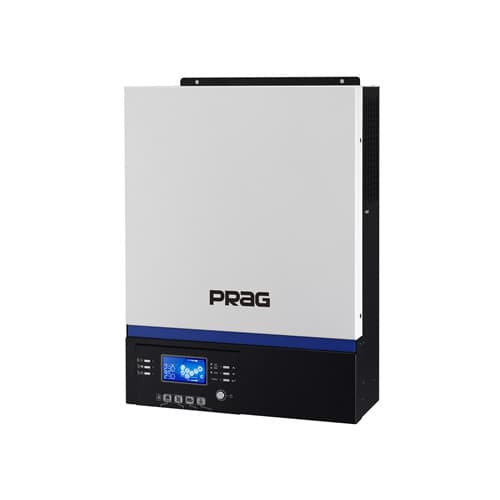
Looking for an affordable inverter? Explore PRAG inverters to find options that fit your budget.