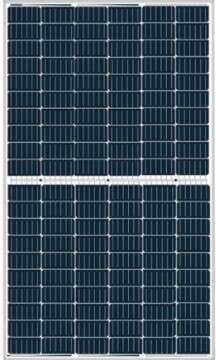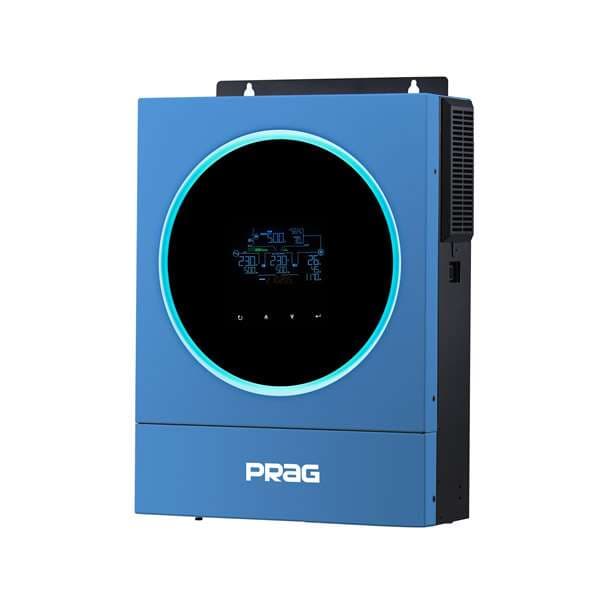
If you are setting up a solar power system in Nigeria, one of the most important components to understand is the MPPT charge controller — and whether to choose an inverter with integrated MPPT. This guide explains what MPPT is, how it works, and why an integrated MPPT inverter can save you money and improve your solar system’s performance.
What Is MPPT?
MPPT stands for Maximum Power Point Tracking. It is an algorithm used in solar charge controllers to extract the maximum possible power from solar panels under varying conditions.
Solar panels produce different amounts of power depending on sunlight intensity, temperature, and shading. The “maximum power point” is the voltage and current combination where the panel produces its peak output. MPPT technology continuously tracks this point and adjusts the load to keep the panels operating at maximum efficiency.
MPPT vs PWM Charge Controllers
There are two main types of solar charge controllers:
- PWM (Pulse Width Modulation): Simpler and cheaper, but less efficient. PWM controllers essentially connect the solar panel directly to the battery, which means the panel operates at battery voltage rather than its optimal voltage — wasting potential energy.
- MPPT: More expensive but significantly more efficient. MPPT controllers convert excess voltage into additional current, typically extracting 20-30% more energy from the same solar panels compared to PWM.
For Nigerian solar systems where maximizing energy harvest is important — especially during the rainy season when sunlight is reduced — MPPT is strongly recommended.
Benefits of an Integrated MPPT Inverter
An inverter with integrated MPPT combines the solar charge controller and inverter into a single unit. This offers several advantages:
- Lower cost: One unit replaces two separate components.
- Simpler installation: Fewer connections and less wiring reduce installation time and potential points of failure.
- Space savings: Ideal for homes and businesses with limited installation space.
- Better coordination: The inverter and charge controller share data internally, optimizing overall system performance.
- Single monitoring interface: Track solar input, battery status, and inverter output from one display or app.
How MPPT Maximizes Solar Energy in Nigerian Conditions
Nigeria’s solar conditions vary significantly — from intense midday sun to overcast rainy seasons. MPPT technology is particularly valuable because:
- During partial shading (common in urban areas with nearby buildings), MPPT tracks the best available power point rather than dropping to the lowest panel output.
- In high temperatures (which reduce panel efficiency), MPPT compensates by adjusting the operating voltage.
- During cloudy weather, MPPT extracts whatever power is available, while PWM controllers may produce very little.
Choosing the Right MPPT Inverter
When selecting an inverter with integrated MPPT, consider:
- Solar input voltage range: Ensure the inverter accepts the voltage from your solar panel array.
- Maximum charge current: Must match or exceed your solar array’s output current.
- Battery compatibility: Ensure it supports your battery type (lead-acid, lithium, LiFePO4).
- Hybrid capability: If you want to combine solar with grid charging, choose a hybrid inverter with MPPT.
Looking for a solar inverter with MPPT? Explore PRAG hybrid inverters with integrated MPPT charge controllers.