Power outages are a fact of life in Nigeria. Whether caused by grid instability, load shedding, or severe weather, losing electricity disrupts work, comfort, and safety. An inverter provides a quiet, clean, and reliable alternative to generators — automatically switching on when grid power fails and keeping your essential appliances running.
How an Inverter Provides Backup Power
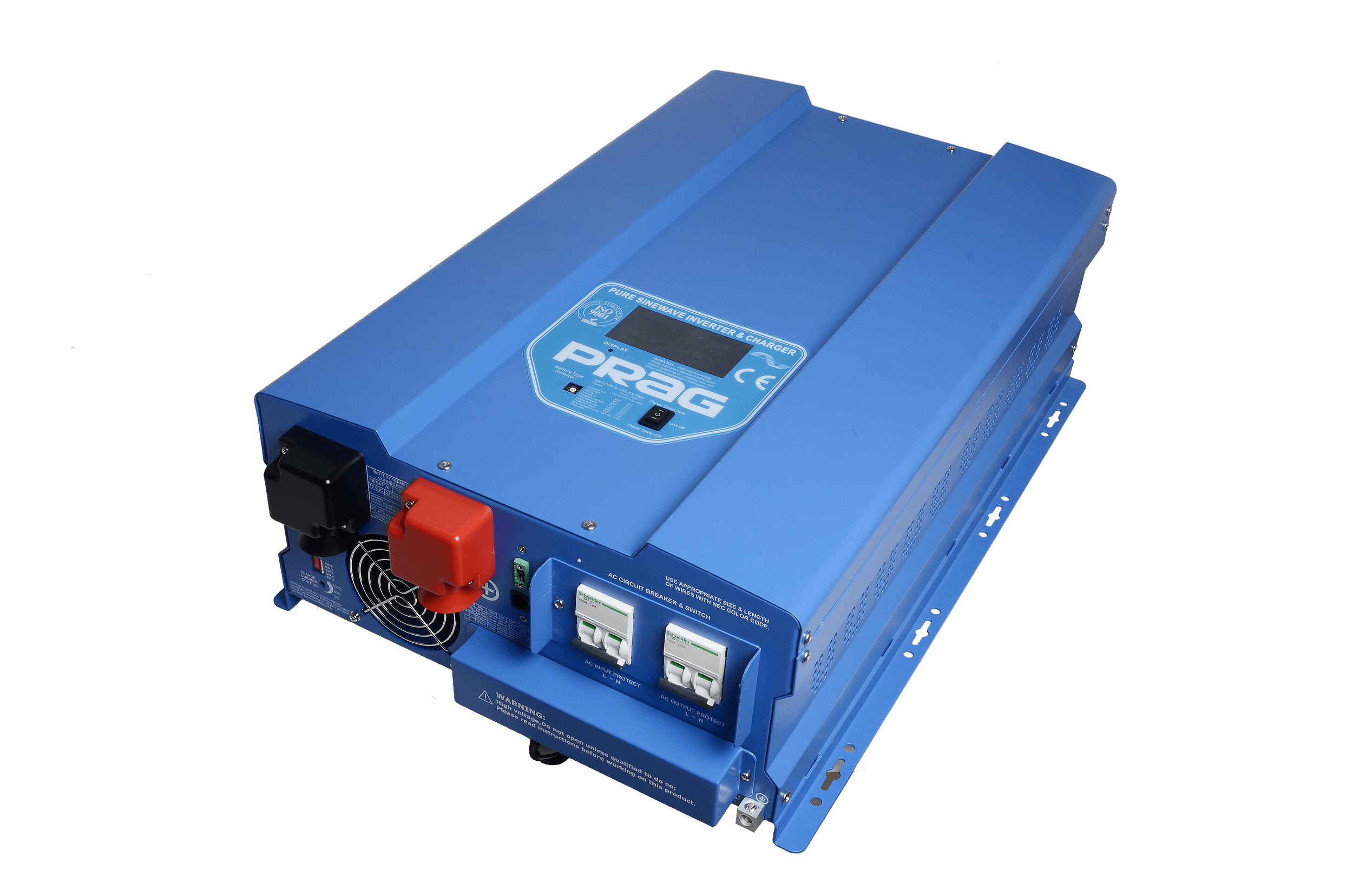
An inverter stores energy in batteries when grid power is available. When the grid fails, the inverter automatically converts the stored DC battery power into AC power that your appliances can use. The switch happens within milliseconds — fast enough that most appliances continue running without interruption.
Unlike generators, inverters produce no noise, no exhaust fumes, and require no fuel. Once installed, they operate automatically with no manual intervention needed.
What an Inverter Can Power During an Outage
The appliances you can run during an outage depend on your inverter’s capacity and your battery bank size. Common configurations include:
- 1-2 kVA inverter: Lights, fans, TV, Wi-Fi router, laptop/phone charging. Suitable for a small apartment or office.
- 3-5 kVA inverter: Above plus a small fridge, washing machine, or microwave. Suitable for a medium home.
- 5+ kVA inverter: Above plus air conditioning, larger refrigerators, or small office equipment. Suitable for larger homes or businesses.
For help calculating the right size, see our inverter sizing guide.
Inverter vs Generator: Key Advantages
Many Nigerian homes and businesses rely on generators for backup power. Inverters offer several important advantages:
- No fuel costs: Inverters charge from grid power or solar panels — no petrol or diesel needed.
- Silent operation: No engine noise, making inverters suitable for indoor use and residential areas.
- No emissions: No exhaust fumes, no carbon monoxide risk.
- Automatic switchover: No need to start the inverter manually — it switches on instantly when power fails.
- Low maintenance: No oil changes, no spark plugs, no moving parts to wear out.
Adding Solar Panels for Extended Backup
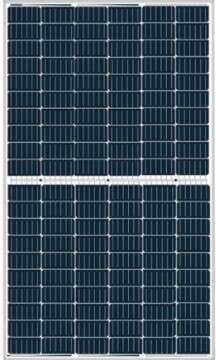
If outages last longer than your battery bank can support, adding solar panels extends your backup indefinitely. A hybrid inverter can charge batteries from both grid power and solar panels, ensuring your batteries stay charged even during extended grid failures. During the day, solar panels can power your appliances directly while simultaneously charging your batteries for nighttime use.
Battery Options for Inverter Systems
The battery bank determines how long your inverter can provide backup power. Two main options are available:
- Lead-acid batteries: Lower upfront cost but shorter lifespan (1-3 years) and limited discharge depth.
- Lithium (LiFePO4) batteries: Higher upfront cost but much longer lifespan (8-10+ years), deeper discharge, and better safety. See our LiFePO4 battery guide for details.
Maintaining Your Inverter System
Inverters require minimal maintenance compared to generators, but basic care ensures reliable performance:
- Keep the inverter ventilation clear of dust and obstructions.
- Check battery terminals periodically for corrosion.
- Monitor battery charge levels — avoid leaving batteries fully discharged for extended periods.
- For lead-acid batteries, check water levels (if applicable) and top up with distilled water.
For more maintenance guidance, see our inverter maintenance and troubleshooting guide.
Tired of power outages? Explore PRAG inverters for reliable backup power in Nigeria.