In Nigeria, power supply problems come in two forms: voltage fluctuations (too high or too low voltage from the grid) and complete power outages. These are different problems that require different solutions. A voltage stabilizer addresses the first; a backup power system (inverter or generator) addresses the second. This guide explains what each does and how to determine which you need — or whether you need both.
What a Voltage Stabilizer Does
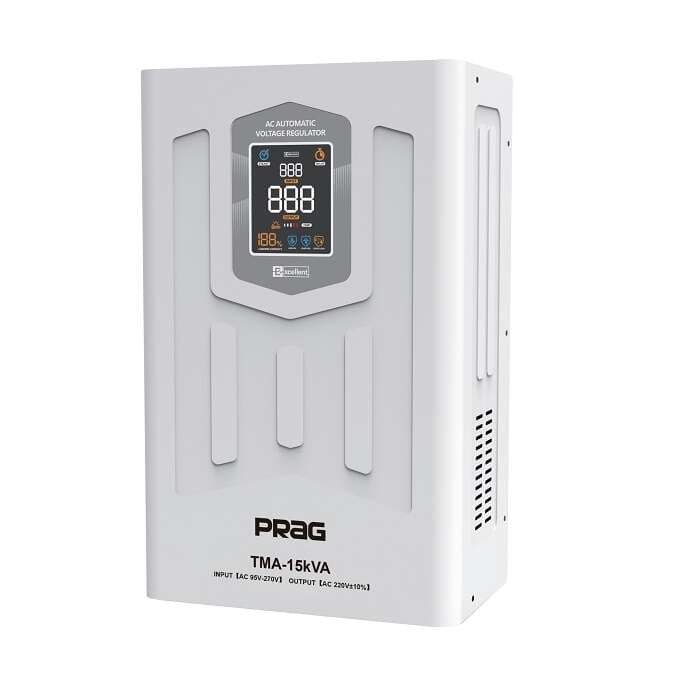
A voltage stabilizer (also called an Automatic Voltage Regulator or AVR) takes unstable input voltage from the grid and delivers a stable output voltage to your appliances. In Nigeria, grid voltage often fluctuates — sometimes dropping too low for equipment to function, sometimes spiking high enough to damage electronics.
A voltage stabilizer continuously monitors incoming voltage and adjusts it to a safe, stable output. If the voltage goes too high or too low for the stabilizer to correct, it automatically cuts off power to protect your equipment.
Key points about voltage stabilizers:
- They do not provide backup power — when the grid goes off, the stabilizer has no power to regulate.
- They protect equipment from voltage-related damage.
- They are rated by capacity (kVA) and should match or exceed the total load of connected equipment.
What a Backup Power System Does
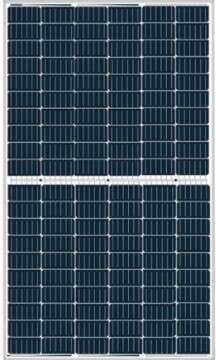
A backup power system — typically an inverter with batteries or a generator — provides electricity when the grid is unavailable. It does not regulate voltage; it simply supplies power from an alternative source.
Key points about backup power systems:
- They provide power during outages but do not protect against voltage fluctuations.
- Inverters with batteries offer silent, clean, automatic backup.
- Generators offer higher capacity and longer runtime but require fuel and maintenance.
Do You Need a Stabilizer, Backup Power, or Both?
You need a voltage stabilizer if:
- Your lights dim or brighten noticeably when other appliances switch on.
- Electronic equipment malfunctions, restarts, or is damaged during normal grid operation.
- You have expensive equipment (ACs, refrigerators, medical devices, industrial machinery) that needs protection from voltage spikes or drops.
You need backup power if:
- Power outages regularly disrupt your home or business operations.
- You need to keep appliances running during grid failures.
- You want to avoid the fuel costs and noise of a generator.
You need both if:
- Your area experiences both voltage fluctuations and frequent outages.
- You have equipment that must be protected from voltage damage AND kept running during outages.
Using a Stabilizer with an Inverter System
If you need both voltage stabilization and backup power, you can use a voltage stabilizer with an inverter system. The stabilizer sits between the grid and the inverter’s charger, ensuring the inverter receives stable voltage for battery charging. Alternatively, many modern inverters include built-in voltage protection that handles minor fluctuations. For severe voltage problems, a dedicated stabilizer is still recommended.
Choosing the Right Solution
To determine the right solution for your situation:
- Identify whether your main problem is voltage fluctuation, outages, or both.
- List the equipment you need to protect or keep running.
- Calculate the total load (in watts or kVA) of that equipment.
- Choose a stabilizer and/or inverter with capacity that matches your load.
Not sure whether you need a stabilizer, backup power, or both? Find the right voltage stabilizer or explore backup power solutions.